
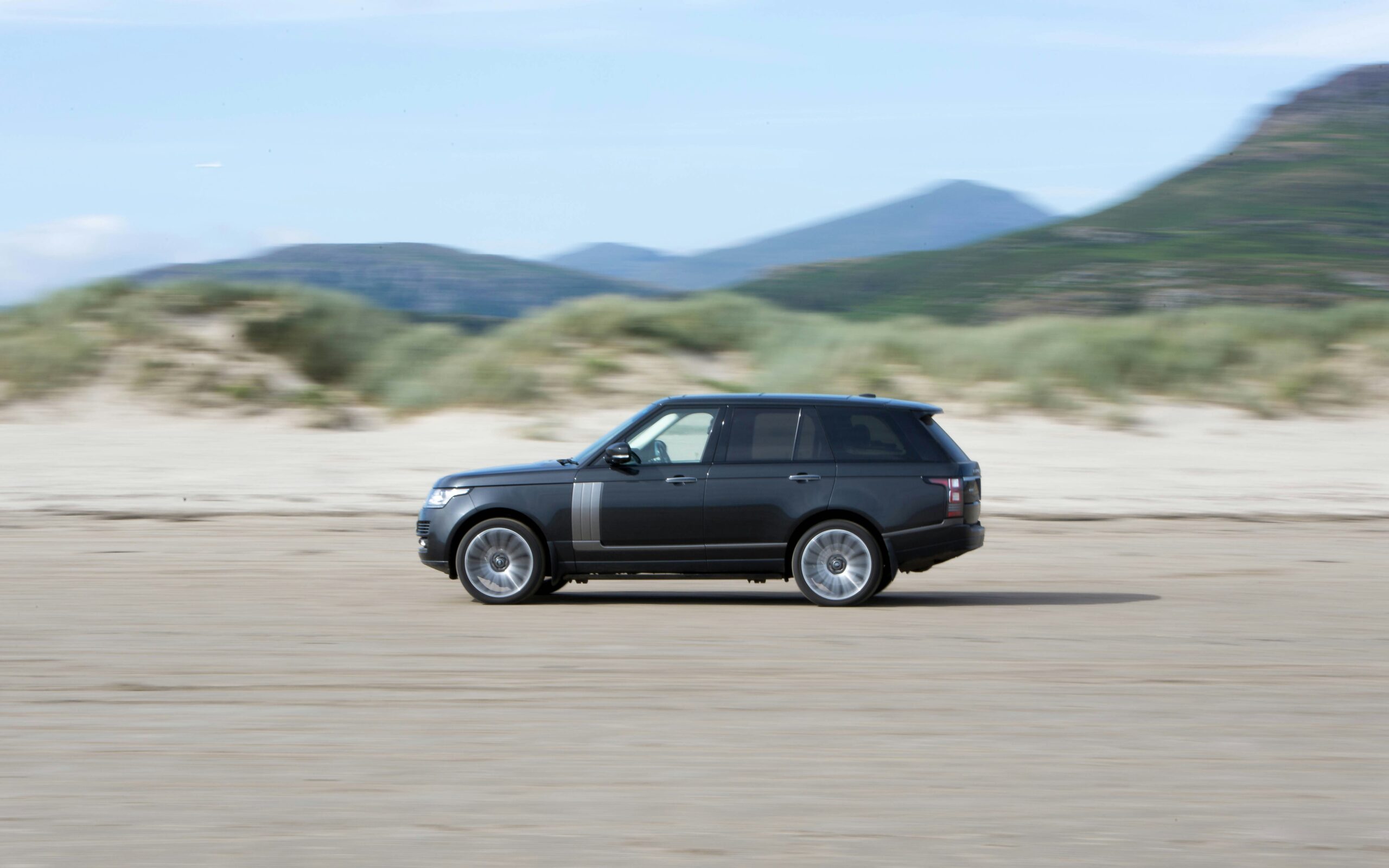
Range Rover Owners: Why Your SUV Is Vulnerable
If you own a Range Rover, you know it turns heads for all the right reasons. That visibility, along with strong resale value and plentiful parts demand, also makes it a target. In this article I’ll walk you through the main reasons thieves favour prestige SUVs, the common security gaps found on Range Rover models, and practical steps you can take today to protect your vehicle. Expect clear, actionable advice and product suggestions from GuardOn designed for real owners who want peace of mind.
Why Range Rovers Are Targeted
High resale and parts value
Luxury SUVs like the Range Rover have high resale and parts value, which attracts organised criminals. Stolen vehicles can be stripped for desirable components or moved quickly into markets where identification is easier to obscure. That demand makes these cars a repeat target rather than a one-off risk.
Status and visibility
The prestige of a Range Rover means it’s often parked in public places, at venues and on streets where opportunistic thieves can watch and plan. High visibility combined with infrequent, short-term parking at events increases exposure and the chance of theft.
Sophisticated criminal methods
Modern gangs use techniques such as relay attacks, key cloning and flatbed transport to defeat stock security. These methods are especially effective against high-end models because thieves know they can earn more per vehicle. Awareness is the first defence; upgrading systems is the next.
Common Security Weaknesses
Keyless entry and relay attacks
Keyless entry is convenient, but it can be exploited. A relay attack captures the key fob signal and fools the car into thinking the key is nearby. Many Range Rover owners don’t realise how easy this is for prepared thieves. Adding simple physical defences and using signal-blocking pouches can help, but you’ll want stronger electronic countermeasures too.
GPS and tracker vulnerabilities
Not all trackers are equal. Some can be spotted and removed, jammed or spoofed by criminals. That’s why choosing a robust, tamper-resistant unit matters. For owners who want a discreet option, the Phantom Guard ghost immobiliser pairs perfectly with a hidden tracker to stop theft at the source. If you’re worried about your Range Rover, installing a ghost immobiliser is one of the most effective upgrades you can make right now.
Physical security gaps
Parking in poorly lit areas, leaving valuables on view, or trusting valet keys increases risk. Thieves also exploit routine behaviours like leaving spare keys near the front door. Small changes to how you lock and manage keys can reduce exposure, but combining these habits with solid tech protection is the best approach.
How to Protect Your Range Rover
Upgrade locks and immobilisers
Start with mechanical and electronic upgrades. A steering wheel lock or hardened immobiliser increases the time and noise a thief must generate to steal your vehicle. Consider professional hardwiring for permanent immobilisation systems that are not obvious to someone looking for trackers or fuses to cut.
Use verified tracking systems
Choose a proven tracker with real-time updates and tamper alerts. GuardOn’s Easy Track is a plug-and-play OBD device for quick setup and diagnostics, while the hardwired Guardian offers geofencing, journey history and persistent connection that’s harder to defeat. A hidden tracker combined with a ghost immobiliser gives layered defence that significantly reduces the chance of loss for your Range Rover.
Everyday safety habits
Simple behaviours matter: lock your car, hide valuables, keep keys away from external doors and update software when manufacturers release patches. Park in monitored or well-lit areas when possible. Review your insurance and make sure it covers theft and recovery costs. For additional guidance on ghost immobilisers, see our deep dive on what vehicle owners should expect here.
Conclusion
Your Range Rover is a desirable target, but with the right mix of awareness, daily habits and electronic defences you can make it a much harder prize. Start by assessing your weakest points, then layer protections: upgraded locks, a robust tracker and a discreet immobiliser. These steps give you a practical, affordable route to protect both your vehicle and your peace of mind.
FAQs
Can a keyless Range Rover be protected?
Yes. Use signal-blocking pouches for keys at home, add physical steering locks, and install electronic measures like a ghost immobiliser and a tamper-resistant tracker. Combining methods is the most effective defence.
Will a tracker help recover my Range Rover?
A high-quality tracker significantly improves recovery chances. Real-time location, tamper alerts and hidden installation make it harder for thieves to move the vehicle without detection. Consider hardwired options for resilience.
Are ghost immobilisers legal in the UK?
Yes. Ghost immobilisers are legal when installed responsibly. They disable the engine without altering the car’s core systems and are often approved by insurers as an added security measure.
Take Action
If you want to protect your Range Rover today, consider GuardOn’s range of products. For a quick install, Easy Track gives immediate location updates and diagnostics. For persistent, hardwired protection pick the Guardian. And if you want the strongest theft deterrent, install the Phantom Guard ghost immobiliser — it discreetly prevents your vehicle being driven away and can be controlled via app or Bluetooth fob. Visit our Shop to choose the right fit for your needs.
We’d love your feedback. Did this article help you understand why your Range Rover might be vulnerable and what to do next? Share this post with fellow owners who might benefit and tell us in the comments: what security upgrade are you most likely to invest in first?