
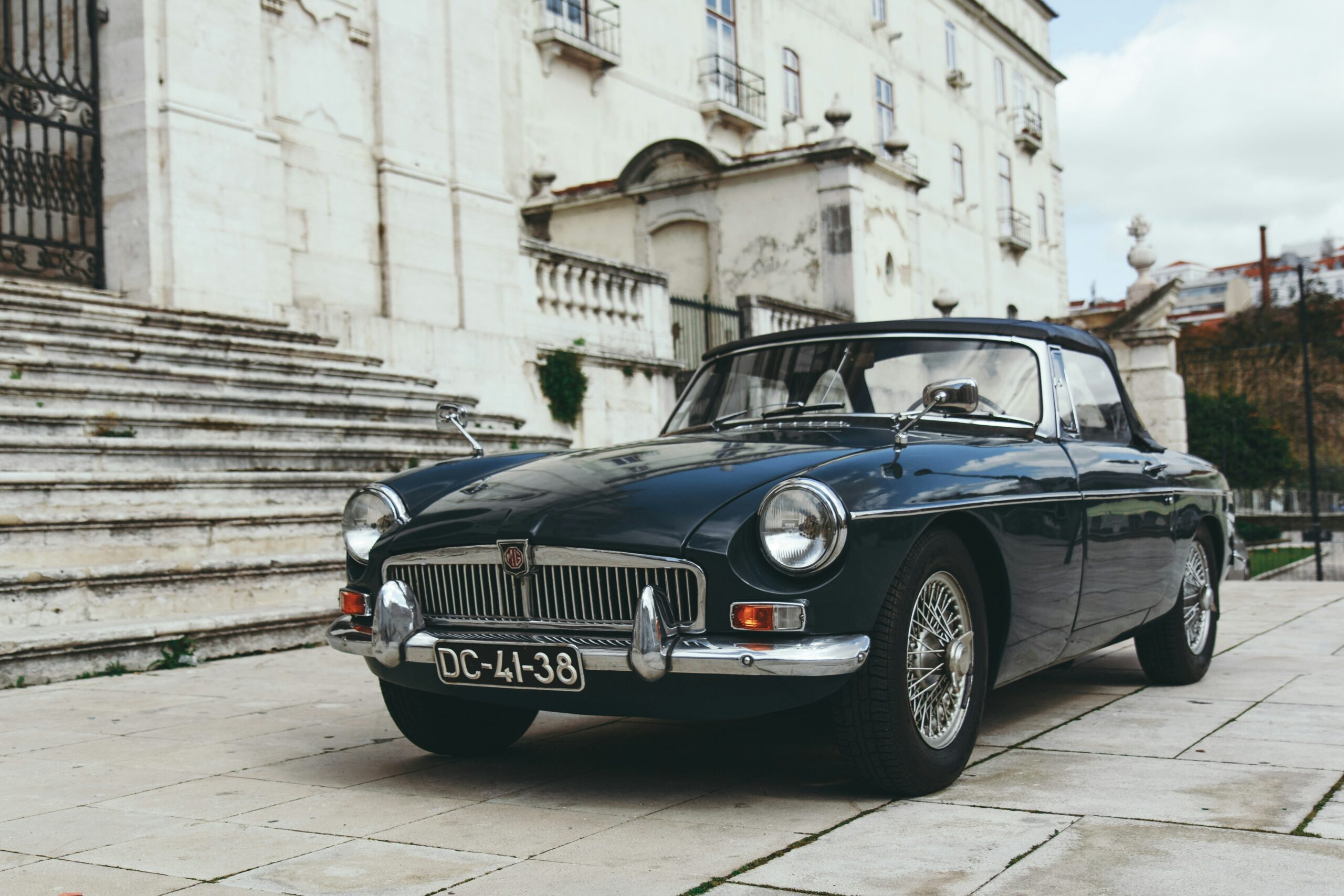
Classic Car Tracking is no longer a luxury; for many owners it is essential. Whether you have a lovingly restored coupe or a rare convertible kept for weekend drives, the value and emotional attachment make these vehicles attractive to thieves and vulnerable to unexpected damage. This guide walks you through why tracking matters, how to pick the right device and practical tips to install and maintain systems without harming originality. Read on and learn how to protect your pride and joy with sensible, modern security that respects the car’s heritage. Classic Car Tracking can be discreet, reliable and cost-effective — and it can save you heartache.
Why classic cars need tracking
Theft risk and value loss
Classic cars are high-value and often easy to profit from, so they attract organised thieves and opportunists alike. A tracker gives you real-time location data and a fighting chance of recovery. With Classic Car Tracking you reduce the time to locate a stolen vehicle, which often means recovering it with fewer parts missing and less damage. Modern trackers can also record journey history, which helps law enforcement and insurers.
Environmental and storage risks
Stored cars face risks beyond theft — fire, flooding, and unauthorised movement are all possible. A good tracking system sends alerts for movement, geofence exits and even low battery warnings. That kind of alerting helps you act quickly and protect both the vehicle and its surroundings. For those who ship or display cars, Classic Car Tracking gives peace of mind during transit.
Insurance and resale benefits
Insurers favour vehicles with tracking because recovery rates improve and claims drop. Installing a tracked system can lower premiums and enhance resale value by providing a documented history of care and security. If you ever decide to sell, buyers typically pay more for a classic that shows evidence of professional security and tracking — another practical advantage of Classic Car Tracking.
Choosing the right tracker
Tracker types and features
Not every tracker suits an older vehicle. OBD plug-and-play devices are simple but may not fit hidden wiring on older models. Hardwired trackers are discreet and reliable for long-term use. GuardOn offers the Easy Track, an OBD device that gives quick setup and live diagnostics, and the Guardian, a hardwired unit with geofencing and rich journey history. When thinking about options, focus on stealth, battery life and the quality of the tracking app. Good UX means you’ll respond faster when an alert arrives.
Power and wiring considerations
Preserving original wiring is vital. Hardwiring must be sympathetic to historic electrics; many owners prefer non-invasive mounts or using auxiliary circuits. Battery-powered trackers avoid cutting into original loom work but need periodic charging. Whichever route you choose, ensure the install is reversible and documented. Classic Car Tracking should protect the car without compromising its originality.
Data, privacy, and subscription plans
Trackers come with platform subscriptions. Check data retention, alert types and whether the provider shares data with third parties. A compact subscription that gives live updates, geofence notifications and exportable history is ideal for classic owners. Use features wisely and balance cost with the protection you need; for many owners, reliable tracking is worth the modest monthly fee.
Pro tip: For the strongest defence, consider pairing tracking with an immobiliser. GuardOn’s Phantom Guard is a ghost immobiliser that discreetly prevents engine start — controllable by app or Bluetooth key fob — making theft much harder even if a thief gains access to your vehicle. Adding a Phantom Guard gives you layered security: tracking to find the car and an immobiliser to keep it safe.
Install, maintain, and protect
Non-invasive installation tips
Place trackers where they remain hidden but get a clear signal. Adhesive mounts in cavities, under seats or inside consoles work well. If you choose hardwiring, hire a specialist familiar with classic vehicles to avoid damaging original components. Keep installation reversible and record where devices are fitted for future maintenance or resale. Combining a tracker with a visible deterrent sticker can be effective — tell would-be thieves the vehicle is protected without revealing exact fitment.
Routine checks and battery care
Make routine checks part of your maintenance schedule. Test GPS fixes, confirm app notifications and check battery levels every few months, especially if the car sits for long periods. Using a trickle charger with battery-powered trackers preserves battery health. Regular testing ensures your Classic Car Tracking system is ready when you need it most.
Security best practices
Trackers are powerful, but combine them with physical measures: secure storage, steering locks, hub locks and documented keys. Also consider telling your insurer about your system to obtain potential premium reductions. For deeper reading on immobilisers and hidden protections, check our post on Ghost Immobilisers: The Hidden Defender for Your Car. Layering technologies makes your classic a much harder target.
Conclusion
Investing in Classic Car Tracking is about protecting value and memories. Trackers like the Easy Track or the robust Guardian, when paired with a Phantom Guard immobiliser, offer a modern, discreet shield for vintage vehicles. These systems provide recovery capability, insurer confidence and peace of mind. If you care for a classic, make security part of your ownership plan — it pays off in reduced risk and preserved value. Ready to protect your car? Visit our Shop to choose the best device for your vehicle.
Frequently Asked Questions
Q: Will a tracker harm original wiring?
A: Not if installed correctly. Choose non-invasive options or have a specialist hardwire discreetly. Always document changes.
Q: How often should I check the tracker?
A: Check connectivity and battery every 1-3 months, especially after long storage periods or events.
Q: Can a tracker be defeated?
A: Sophisticated thieves can attempt signal jamming, but pairing tracking with an immobiliser like Phantom Guard hugely reduces successful theft. Layered security is key.
Q: Are subscriptions necessary?
A: Most live-tracking systems need a subscription for cellular data. Choose a plan that fits your usage and offers reliable alerts.
Tell us what you think: Have you fitted tracking to a classic car? Share your experience in the comments and help fellow owners. If this guide helped, please share on social media to keep more classics safe. What security step will you take next to protect your vehicle?